

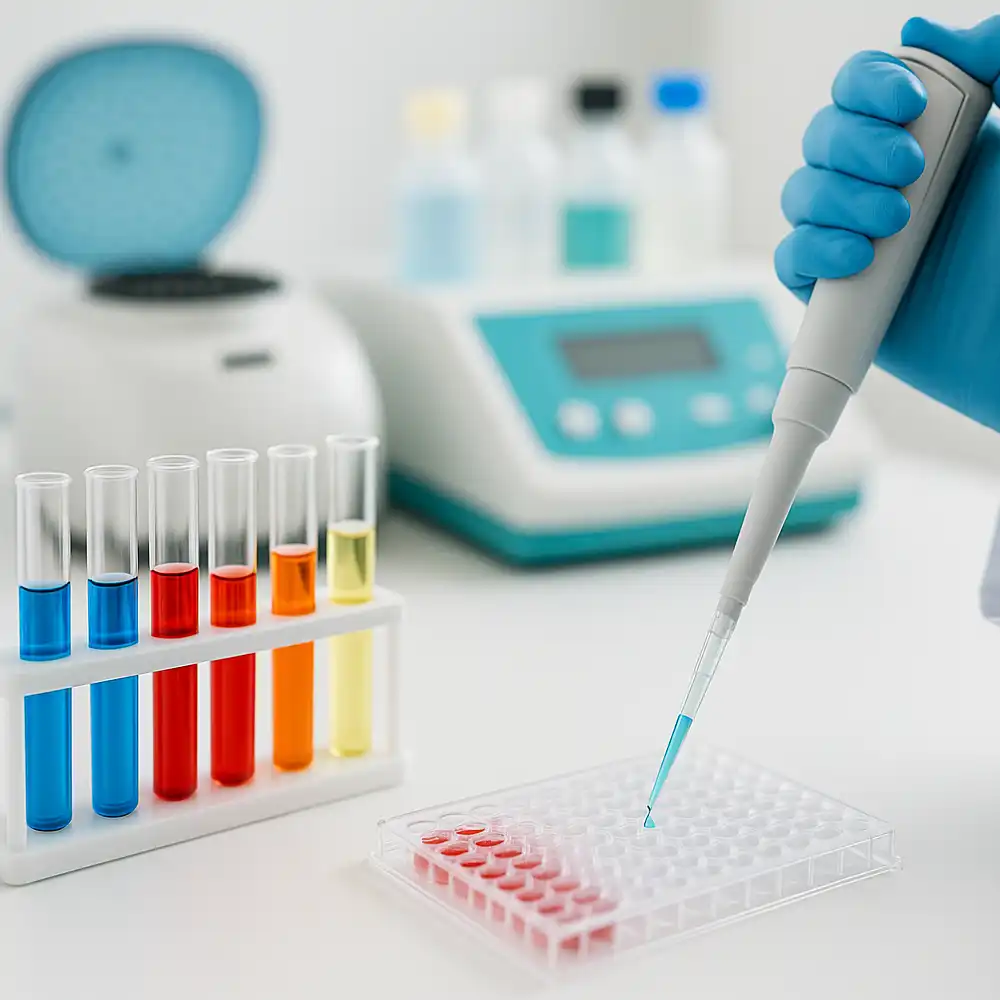
The biochemistry laboratory is one of the most important diagnostic centers of modern medicine. By examining biological processes within the body, it sheds light on early disease detection, treatment planning, and preventive health assessments. Through biochemical tests performed on blood, urine, and other biological samples, organ functions, metabolic conditions, and mineral and enzyme balances are evaluated in detail.
Importance of the Biochemistry Laboratory
- Fast and reliable diagnosis: Helps detect diseases before clinical symptoms appear.
- Monitoring treatment progress: Plays a critical role in regular follow-ups of chronic conditions such as diabetes, hypertension, and kidney or liver diseases.
- Preventive healthcare: An indispensable component of check-up programs.
Main Tests Performed
- Blood glucose and HbA1c measurements → For the diagnosis and monitoring of diabetes.
- Liver function tests (AST, ALT, GGT, bilirubin, etc.)
- Kidney function tests (Urea, Creatinine, Electrolytes)
- Lipid profile (Cholesterol, Triglycerides, HDL, LDL) → For cardiovascular health assessment.
- Hormone analyses (thyroid, cortisol, etc.)
- Vitamin and mineral levels (B12, vitamin D, iron, etc.)
- Enzyme analyses and tumor markers
Technology Used
Modern biochemistry laboratories utilize automated analyzers, advanced spectrophotometry devices, and immunoassay systems. These technologies ensure both speed and accuracy in test results.
Who Should Apply?
- Healthy individuals who wish to undergo regular health check-ups
- People diagnosed with chronic diseases such as diabetes, hypertension, and cardiovascular disorders
- Individuals experiencing symptoms such as fatigue, weakness, loss of appetite, or weight loss
- Patients whose physicians request diagnostic or follow-up tests
Evaluation of Results
Each test performed in the biochemistry laboratory is evaluated by specialist physicians together with the patient’s clinical findings. Rather than relying solely on numerical values, factors such as age, gender, existing conditions, and medications used are also taken into account in the analysis process.